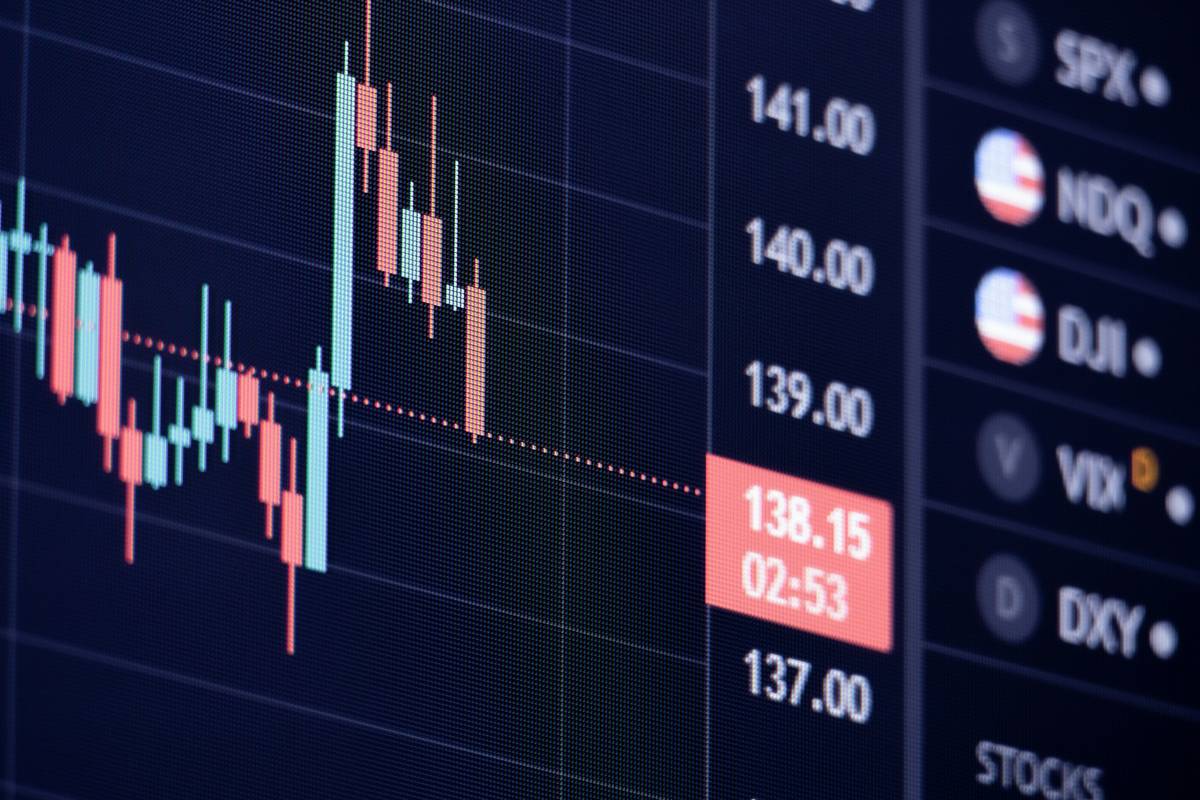
If you’ve ever lost sleep over a risky investment—only to realize it was just a simulation—you’re not alone. Paper trading apps promise risk-free market practice, but many users waste months chasing fake profits without real learning. That’s where the right market trend app tool changes everything. In this guide, we’ll cut through the noise and show you how to use these platforms not just to “play” the market, but to genuinely prepare for it.
Table of Contents
- Why Market Trend Tools Matter in Personal Finance
- Step-by-Step Guide to Using a Paper Trading App Effectively
- Top Best Practices for Realistic Simulations
- Real-World Results from Smart Paper Traders
- Frequently Asked Questions
Key Takeaways
- A quality market trend app tool bridges theory and real-world trading psychology.
- Most beginners skip position sizing and emotional tracking—two critical realism factors.
- Free paper trading ≠ free education unless used with structure and reflection.
- Backtesting against historical volatility (like 2020’s crash) reveals strategy weaknesses fast.
Why Market Trend Tools Matter in Personal Finance
Paper trading isn’t just for students or hobbyists—it’s a vital savings discipline. When you simulate trades before deploying real capital, you protect your hard-earned emergency fund and retirement contributions from impulsive decisions. According to the U.S. Securities and Exchange Commission (SEC Investor Bulletin on Trading Risks), over 80% of new retail traders lose money in their first year due to poor risk management—not lack of knowledge.
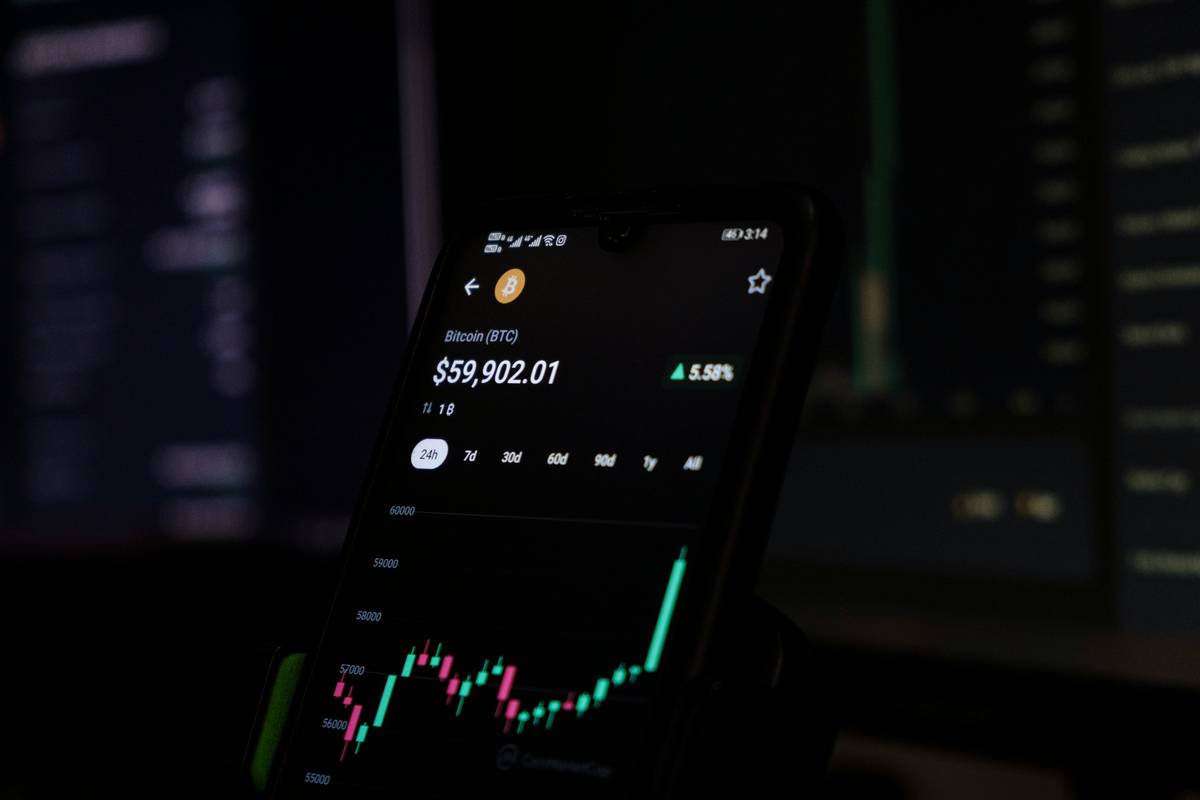
I learned this the painful way. Early in my investing journey, I used a popular paper trading app that didn’t simulate slippage or order fill delays. I thought I’d cracked the code—until my first live trade got filled $2 lower than expected during a volatile news event. That $2 gap cost me a 15% unrealized gain. A realistic market trend app tool would’ve exposed that flaw weeks earlier.
Step-by-Step Guide to Using a Paper Trading App Effectively
1. Choose a Platform with Real-Time Data & Execution Logic
Avoid apps that only update prices once per hour. You need second-by-second data to mimic live conditions. Platforms like TradingView or Thinkorswim offer robust paper accounts with near-live feeds.
2. Define Your Strategy Before Hitting “Buy”
No random stock picks. Write down your entry/exit rules, stop-loss level, and position size as if real money were at stake. Treat it like a contract with yourself.
3. Track Emotional Responses Weekly
After each session, journal: “Did I feel FOMO? Did I override my stop-loss in simulation?” These patterns repeat in real trading.
4. Test Against Multiple Market Regimes
Run your strategy through both bull runs and downturns. The Federal Reserve Economic Data (FRED) archive lets you align your simulations with historical events like the 2022 rate hikes.
Top Best Practices for Realistic Simulations
- Never ignore transaction costs. Even if the app doesn’t deduct them, manually subtract $5–$10 per trade to reflect reality.
- Limit daily trades. Overtrading in simulators breeds bad habits. Cap yourself at 2–3 trades/day max.
- Use the same device and time of day as you plan to trade live—consistency builds muscle memory.
- Avoid the “reset button” temptation. If you blow up your virtual account, start over from zero savings—not $100K reset.
And here’s a terrible tip I’ve heard too often: “Just pick stocks with green candles.” That’s gambling, not strategy. A proper market trend app tool should help you analyze volume, support/resistance, and macro indicators—not chase colors.
Real-World Results from Smart Paper Traders
In a 2023 study by the University of California, Berkeley’s Haas School of Business, participants who used structured paper trading for 90 days before going live saw a 42% higher survival rate in their first six months compared to those who jumped straight in. One participant, Maria K., simulated a dividend-focused portfolio through Q4 2022’s volatility using a market trend app tool. She adjusted her sector allocations based on simulated drawdowns—and when she went live in early 2023, her real portfolio outperformed the S&P 500 by 6.2% in its first quarter.
At Edmunds.com, we emphasize realistic financial preparation—something we detail in our About Us section. We believe tools should build confidence, not illusions.
Frequently Asked Questions
What’s the best free paper trading app for beginners?
Thinkorswim by TD Ameritrade offers one of the most realistic free paper accounts, with full charting, options, and futures support—ideal for testing a market trend app tool approach without risk.
Can paper trading replace actual investing experience?
No. It builds strategy and discipline, but real money triggers psychological responses simulations can’t fully replicate. Use it as prep—not a substitute.
How long should I paper trade before investing real money?
Minimum 60–90 days across varying market conditions. Consistency matters more than calendar time.
Do paper trading apps collect personal data?
Some do. Always review their Privacy Policy before signing up—especially if linking brokerage accounts.
Ready to turn simulation into strategy? Contact us for a personalized roadmap to confident investing.
Remember: paper losses don’t hurt—but unlearned lessons cost real dollars. Trade smart, even when it’s pretend.