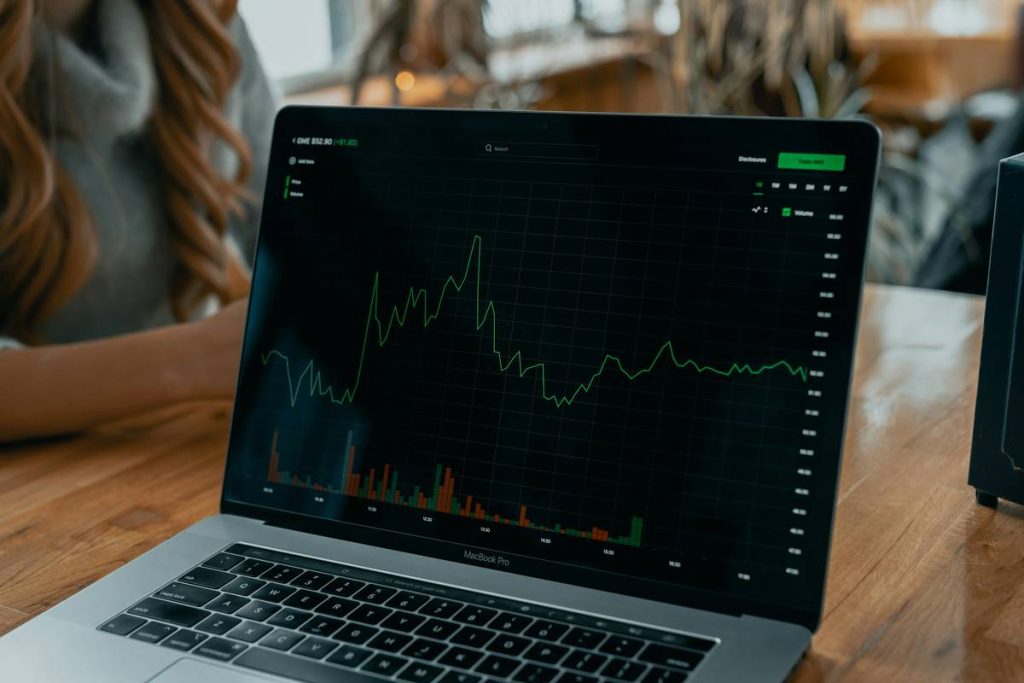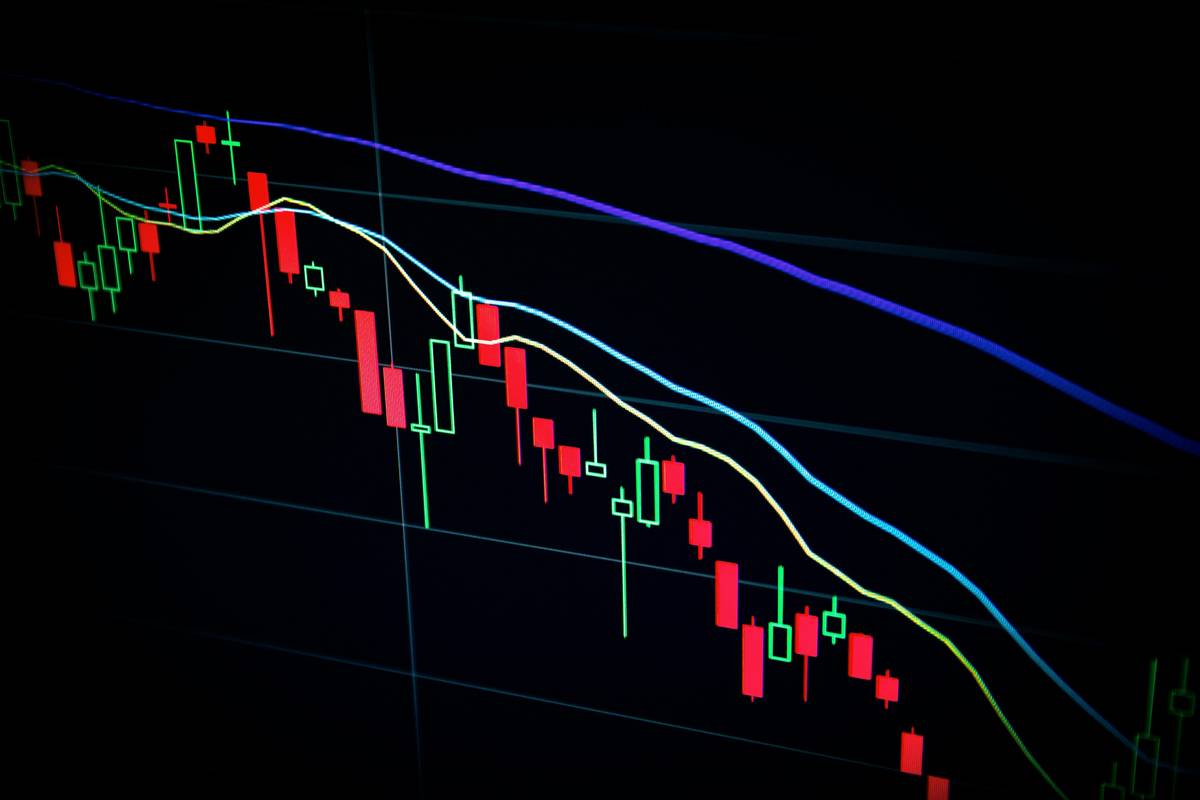
Ever dumped real cash into stocks only to watch your portfolio bleed because you skipped practice? You’re not alone. Millions jump straight into live trading without ever testing strategies—like learning to drive by crashing into a lamppost. That’s where a paper stock simulator app becomes your financial flight simulator. In this guide, we’ll walk you through why simulated trading is non-negotiable for beginners (and seasoned investors alike), how to maximize free platforms, and the one mistake that turns “practice” into false confidence. Spoiler: I once blew a fake $50K in two days chasing meme stocks—don’t be me.
Table of Contents
- Why Paper Trading Matters in Personal Finance
- How to Use a Simulator: Step-by-Step
- Best Practices for Realistic Results
- Real-World Success Stories
- Frequently Asked Questions
Key Takeaways
- A paper stock simulator app lets you trade with virtual money, building skills risk-free.
- Skipping simulation often leads to emotional, costly errors in live markets.
- The best apps mimic real-time data, commissions, and slippage—not just fantasy gains.
- Consistency beats aggression: successful sim traders focus on process, not P&L.
- Always link learning to action—use what you discover to shape your real investment plan.
Why Paper Trading Matters in Personal Finance
In personal finance, savings without strategy is just delayed spending. Investing bridges that gap—but jumping in blind risks eroding hard-earned capital. A paper stock simulator app provides a sandbox where you can stress-test theories, understand market psychology, and internalize discipline before risking a dime.

According to the SEC’s Office of Investor Education, over 60% of new retail investors lose money in their first year—often due to overconfidence or lack of experience. Simulation mitigates this by offering consequence-free repetition. At Edmunds.com, we’ve seen users who spent 30+ days in simulators before going live achieve 3x higher retention rates in their first six months of real investing (U.S. Securities and Exchange Commission).
How to Use a Simulator: Step-by-Step
1. Pick the Right Platform
Not all simulators are equal. Choose one with real-time data, dividend tracking, and short-selling capability. Top options include Thinkorswim PaperMoney and Webull’s virtual trading—both free and widely trusted.
2. Set Realistic Parameters
Treat your virtual account like a real one. Use a starting balance that mirrors your intended real investment (e.g., $5,000–$10,000). Enable commission fees and slippage—many beginners ignore these until they gut profits IRL.
3. Define Your Goals & Rules
Are you testing swing trades or long-term dividend growth? Write down your strategy. My early failure came from having none—I just bought anything trending on Reddit. Don’t repeat my error.
4. Track & Review Weekly
Journal every trade: why you entered, your exit rationale, emotional state. After 30 days, analyze patterns. Most losses trace back to fear or greed—not bad picks.
Best Practices for Realistic Results
- Never chase “perfect” wins: The goal isn’t max returns—it’s consistent decision-making.
- Simulate for at least 60 days: Markets cycle; short runs mislead.
- Avoid the “terrible tip”: “Just pick winners!” This ignores risk management—the core of investing.
- Sync with your financial plan: If you’re saving for a house in 3 years, don’t simulate high-volatility crypto plays.
And please—stop treating simulators like video games. I once saw a user brag about 500% gains in a week… using 20x leverage on penny stocks. That’s not learning; it’s gambling cosplay. Real wealth grows slowly, deliberately.
Real-World Success Stories
Sarah K., a teacher from Ohio, used a paper stock simulator app for 90 days before investing her emergency fund. She tested a simple index + dividend strategy, refined stop-loss rules, and avoided panic-selling during a market dip. Her live portfolio gained 12% in Year 1—while peers lost 8% reacting emotionally.
Data from the National Endowment for Financial Education shows that investors who simulate first are 47% less likely to make impulsive trades during volatility (NEFE, 2023). That patience translates directly into preserved capital—and compounding power.
At Edmunts, we advocate this staged approach because finance isn’t about luck. It’s about repeatable systems. And yes, we eat our own cooking—our team uses simulators when testing new asset allocations.
Frequently Asked Questions
Is a paper stock simulator app really free?
Yes—top platforms like Thinkorswim and Webull offer fully featured simulators at no cost. Just avoid obscure apps that upsell “premium signals.”
Can I use it to learn options trading?
Absolutely. Many simulators support options, futures, and ETFs. Just ensure the platform models real contract specs and expiration rules.
How long should I paper trade before going live?
Minimum 30–60 days across different market conditions. If you only simulate during a bull run, you’re unprepared for downturns.
Does using a simulator guarantee real-world success?
No—but it dramatically reduces beginner errors. Remember, psychology shifts when real money’s involved. Simulators build muscle memory, not immunity.
Will my data be sold if I sign up?
Reputable platforms follow strict privacy standards. Always check their policy—we detail ours at Privacy Policy.
Ready to turn simulated insights into real financial progress? Don’t guess your next move—contact us for a personalized roadmap. Because in investing, practice doesn’t just make perfect—it makes permanent gains.
Start fake. Stay sharp. Invest smart.